Dangerous dog breeds in Valencia: licence and insurance
There is a situation that repeats itself every month with the people we help: they arrive in Valencia with their dog, all the entry paperwork in order, and a few weeks later they discover that here their dog is classified as potentially dangerous. Not because of anything it did, but because of its breed. And that without a municipal licence, owning it is an offence.
The most awkward part is that many come from countries where their breed carries no special status, or even from other Spanish regions where it does not appear on the list.
The detail almost nobody tells you: in the Valencia region there are 15 breeds, not 8
This is the point most articles on the subject miss. There are two lists, and you have to check both.
The national one, from Royal Decree 287/2002, includes eight breeds. The regional one, from Decree 145/2000 of the Generalitat Valenciana, is broader. Here is the comparison:
| Breed | National list | Valencia region |
|---|---|---|
| Pit Bull Terrier | Yes | Yes |
| American Pit Bull Terrier | Yes | Yes |
| American Staffordshire Terrier | Yes | Yes |
| Staffordshire Bull Terrier | Yes | Yes |
| Rottweiler | Yes | Yes |
| Dogo Argentino | Yes | Yes |
| Fila Brasileiro | Yes | Yes |
| Tosa Inu | Yes | Yes |
| Akita Inu | Yes | Yes |
| Dobermann | No | Yes |
| Bullmastiff | No | Yes |
| Dogue de Bordeaux | No | Yes |
| Neapolitan Mastiff | No | Yes |
| Presa Canario | No | Yes |
| Ca de Bou (Presa Mallorquín) | No | Yes |
The six highlighted breeds are the ones that catch newcomers by surprise. A Dobermann, a Bullmastiff or a Neapolitan Mastiff do not appear on the national list, but in Valencia they do need a licence. The same applies to crossbreeds of any of them.

It is not only about breed
Even if your dog is not in the table, it can be classified as potentially dangerous in two other ways:
Because of its physical features. Very strong dogs, with a robust chest, powerful jaw and marked musculature, can fall under the definition even if their breed is not listed.
Because of its behaviour. If a dog has been involved in an aggression incident, the municipal authority can declare it individually dangerous, whatever its breed. A Labrador can end up classified as dangerous and a Greyhound never will.
"But didn't the animal welfare law scrap dangerous breeds?"
It is the most common question, and the short answer is no.
While Law 7/2023 on the protection of animal rights and welfare was going through parliament, there was a proposal to replace breed-based classification with an individual behavioural assessment of each dog. That proposal did not make it into the final approved text.
In 2026 the regime of Law 50/1999 and Royal Decree 287/2002 is still in force, with the same obligations as always. If you read that dangerous breeds no longer exist, that information is wrong.
How to get the licence in Valencia, step by step
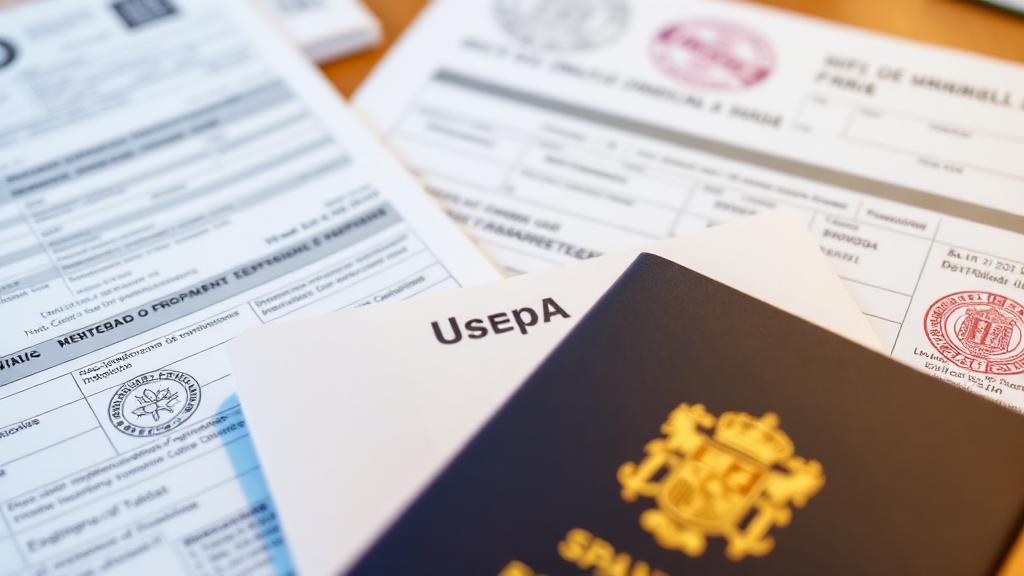
The procedure is municipal and is granted by the town hall where you live. In the city of Valencia it is called "Authorisation to keep potentially dangerous animals", reference SA.SV.20, and it is applied for online or in person.
Who can apply
People resident in Valencia, of legal age, with no convictions for certain offences (homicide, bodily harm, torture, offences against liberty or moral integrity, against sexual freedom and public health, among others) and with no previous penalties for offences involving potentially dangerous animals.
What documents are required
- DNI, foreigner's card or passport. Good news here: a passport works, you do not have to wait until you have your NIE.
- Certificate of physical and psychological fitness. You get it at a medical assessment centre, the same ones that issue driving licence certificates.
- Civil liability insurance policy with minimum cover of 120,000 euros and no exclusions, together with the payment receipt.
- Registration of the animal in RIVIA, the Valencian animal identification register, with you listed as the owner.
- Up-to-date health record or pet passport.
- Sworn statement that you have not been penalised.
- Signed request for a criminal record check.
- Proof of payment of the municipal fee.
Validity and renewal
The licence lasts five years, but do not forget about it until then: you have to submit updated documents every year, above all the receipt for the insurance in force. That is the most common slip-up, and letting the insurance lapse renders the licence void.
Insurance: the requirement most people underestimate
The minimum cover is 120,000 euros of civil liability. Two warnings that get expensive:
The policy must specifically cover a potentially dangerous dog and with no exclusions. Many home insurance policies include civil liability for pet damage but expressly exclude potentially dangerous breeds. If you submit that policy, your licence will be refused.
And the cover has to be continuously active. It is not a piece of paper you hand in once.

The street rules
With the licence in hand, in the street and in public spaces:
- Certified muzzle suitable for the breed, always on.
- Non-extendable lead under two metres. Retractable leads are not accepted, even if you keep them short.
- One dangerous dog per person. You cannot walk two at the same time.
- Never handled by a minor, even if it is your child and the dog is gentle.
- Licence on you or accessible, in case you are asked for it.
At home, in the garden or on the terrace, the animal must be in a space it cannot leave on its own.
Penalties under Law 50/1999 range from 150 euros for minor offences to just over 15,000 euros in very serious cases, and can include removal of the animal.
And now what nobody tells you: renting with a dangerous-breed dog
This is the part closest to our work, and the reason we wrote this article.
Finding a rental flat in Valencia is already hard. With a dog it is harder. With a dog classified as potentially dangerous, considerably harder. Many landlords who accept pets pull back when they hear the word rottweiler, and some residents' associations have internal rules about animals in communal areas.
What does work, from experience:
Say it upfront and do not hide it. If it comes out during the viewing or after signing, you lose the flat and the trust. Mention it in the first message, naturally.
Introduce the dog with paperwork. A dog with a municipal licence, 120,000 euros of insurance, a microchip and an up-to-date health record is, for a landlord, more reassuring than a small dog with nothing. You are showing that you are responsible.
Offer concrete guarantees. An extra deposit or home insurance covering damage often unlocks conversations that seemed closed.
Prioritise ground floors with their own entrance or buildings with a large lift. It is not a whim: it reduces friction with the neighbours and makes the landlord see fewer problems.
If you are facing silence from the agencies, it is not only about the dog. We explain it in why estate agencies do not reply in Valencia.
Before you come: the journey
This article covers what happens once you are here. For the part before, with the microchip, the rabies vaccine, the veterinary certificate and the deadlines by country of origin, we have the full guide on how to bring your dog or cat to Spain.
And if you are looking for a flat or a room and do not know where to start with a dangerous-breed dog, at Raíces Valencia we raise it openly with the landlord from the first contact: apartment search.
Frequently asked questions
Which breeds are classified as dangerous in Valencia?
In the Valencia region there are 15: the eight on the national list (Pit Bull Terrier, American Pit Bull Terrier, American Staffordshire Terrier, Staffordshire Bull Terrier, Rottweiler, Dogo Argentino, Fila Brasileiro, Tosa Inu and Akita Inu) plus Dobermann, Bullmastiff, Dogue de Bordeaux, Neapolitan Mastiff, Presa Canario and Ca de Bou, along with their crossbreeds.
Is the Dobermann a dangerous breed in Spain?
It does not appear on the national list of Royal Decree 287/2002, but in the Valencia region it is included by Decree 145/2000. If you live in Valencia with a Dobermann, you need a municipal licence and insurance, even if other regions never asked you for them.
Can I get the licence without a NIE?
Yes. Valencia City Council accepts a DNI, foreigner's card or passport to process the authorisation. What you do need is to live in the municipality and have the animal registered in your name in RIVIA.
How much does insurance for a potentially dangerous dog cost?
The law requires minimum civil liability cover of 120,000 euros with no exclusions. Prices vary by insurer and breed, and usually sit in the range of a specialised annual pet policy. Always check that the policy expressly names potentially dangerous dogs.
Did the new animal welfare law remove dangerous breeds?
No. The proposal to replace the breed list with an individual behavioural assessment was debated while Law 7/2023 was going through parliament, but it was not included in the approved text. In 2026 Law 50/1999 and Royal Decree 287/2002 remain in force.
Is it harder to rent in Valencia with a dangerous-breed dog?
Yes, noticeably. Many landlords who accept pets turn down breeds classified as potentially dangerous. It helps to say it in the first message, to present the licence and insurance as proof of responsibility, and to offer extra guarantees such as an additional deposit.
What happens if I have a dangerous-breed dog without a licence?
It is a serious offence. Penalties under Law 50/1999 range from 150 euros in minor cases to more than 15,000 euros in very serious ones, and the authority can even remove the animal. If you have just arrived, start the procedure as soon as possible.
---
Sources: Royal Decree 287/2002, Decree 145/2000 of the Generalitat Valenciana, Official Veterinary Association of Valencia and the Valencia City Council e-office, procedure SA.SV.20. Information verified in August 2026. Municipal rules may differ if you live outside the city of Valencia: check with your local town hall.