Best Neighborhoods to Live in Valencia in 2026: Where to Live Based on Your Budget
Valencia has cemented its reputation as Spain's most attractive city for international newcomers. However, finding an apartment in 2026 requires thoroughly understanding each neighborhood before signing a lease. Rents have soared by 78% since 2019, available housing stock has plummeted to merely 1,668 properties across the entire city by late 2025, and areas that were affordable three years ago now compete in price with central Madrid. This article breaks down seven neighborhoods with real data from January-February 2026 to help you find the one that best suits your budget, lifestyle, and priorities.
The Valencian market is experiencing structural tension: demand far outstrips supply, desirable properties are rented in less than a week, and competition among tenants is fierce. With nearly 20% of Valencia's population being foreign (165,636 international residents according to the January 2025 census), the impact of digital nomads, Erasmus students, and other international residents has transformed the landscape. Even so, Valencia remains 30% to 40% cheaper than Barcelona or Madrid for equivalent rentals, explaining why it continues to attract thousands of people each year.
The Rental Landscape in Valencia in Early 2026
Before analyzing each neighborhood, it's important to understand the forces driving the market. The average rental price in Valencia city stands at €16.3/m² per month according to Idealista data from January 2026, making Valencia the fifth most expensive capital in Spain, behind Barcelona (€24/m²), Madrid (€22.8/m²), Palma, and San Sebastián. The year-on-year increase is around 6-8%, although in coastal districts like Poblats Marítims, increases reach 15% year-on-year.
The 2023 Housing Law has introduced significant changes. Since 2025, existing contract renewals are governed by the new IRAV index (maximum 2.2-2.3%), not the CPI, which protects current tenants. However, new rentals in the free market are not capped, and this is where real price increases are reflected. The Valencian Community has begun the process of declaring 83 municipalities as stressed areas, including Valencia capital, which will eventually limit prices for large property owners.
Another decisive factor is the regulation of tourist apartments: over 18,000 holiday rental properties (VUT) were delisted in the Valencian Community in 2025, and Valencia city limits tourist licenses to 2% of homes per neighborhood. This could gradually return supply to the residential market, although the effect has not yet significantly materialized.

Ruzafa: The Cultural Epicenter with Corresponding Prices
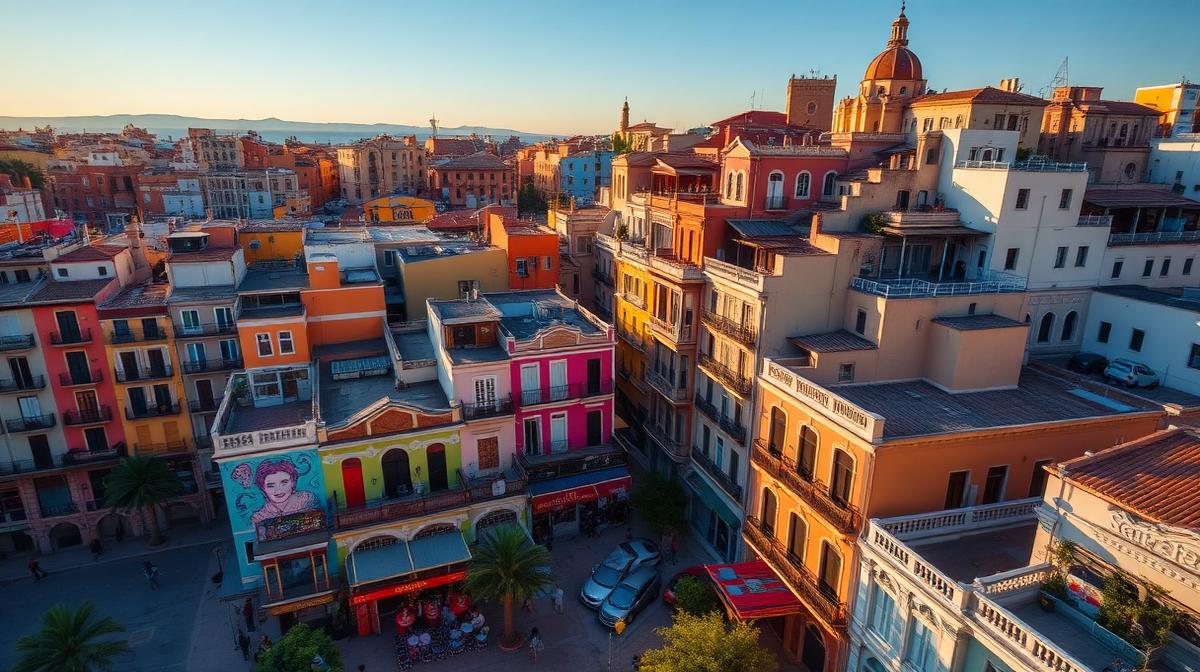
Ruzafa is, without question, the most sought-after neighborhood for expats and young professionals moving to Valencia. Its mix of international gastronomy, art galleries, craft cocktail bars, and the emblematic Ruzafa Market make it the most vibrant neighborhood in the city. It is also the most expensive.
Rental prices in Ruzafa range between €19 and €21/m², placing it above the average for the L'Eixample district to which it belongs (€17.9/m²). A room in a shared apartment costs between €400 and €600 per month, a one-bedroom apartment between €900 and €1,500, and a two-bedroom apartment between €1,400 and €1,900 or more. The year-on-year increase has been 5.3%, but the real difficulty is not the price but the availability: rental supply in L'Eixample fell by 70% year-on-year at certain times in 2025, and properties are rented out in a matter of days.
For transportation, Ruzafa has the "Russafa" tram stop on Line 10, inaugurated in 2022, which connects directly with the City of Arts and Sciences. The Xàtiva (lines 3, 5, 7, 9) and Colón metro stations are less than a ten-minute walk away. The Estación del Norte (North Station) is about a twelve-minute walk. In Ruzafa, you'll find Mercadona, Consum, and Carrefour Express stores, in addition to the Ruzafa Market itself for fresh produce.
The advantages are clear: endless cultural life, absolute centrality, and a large expat community that facilitates networking. The disadvantages are equally clear: considerable noise from Thursday to Sunday due to nightlife, prices comparable to larger cities, and gentrification that has displaced some of the local character. It is perfect for young professionals aged 25 to 40, digital nomads, and couples without children who prioritize social life over tranquility. It is not recommended for families with young children or those on a tight budget.
Benimaclet: Village Life at a Reasonable Price
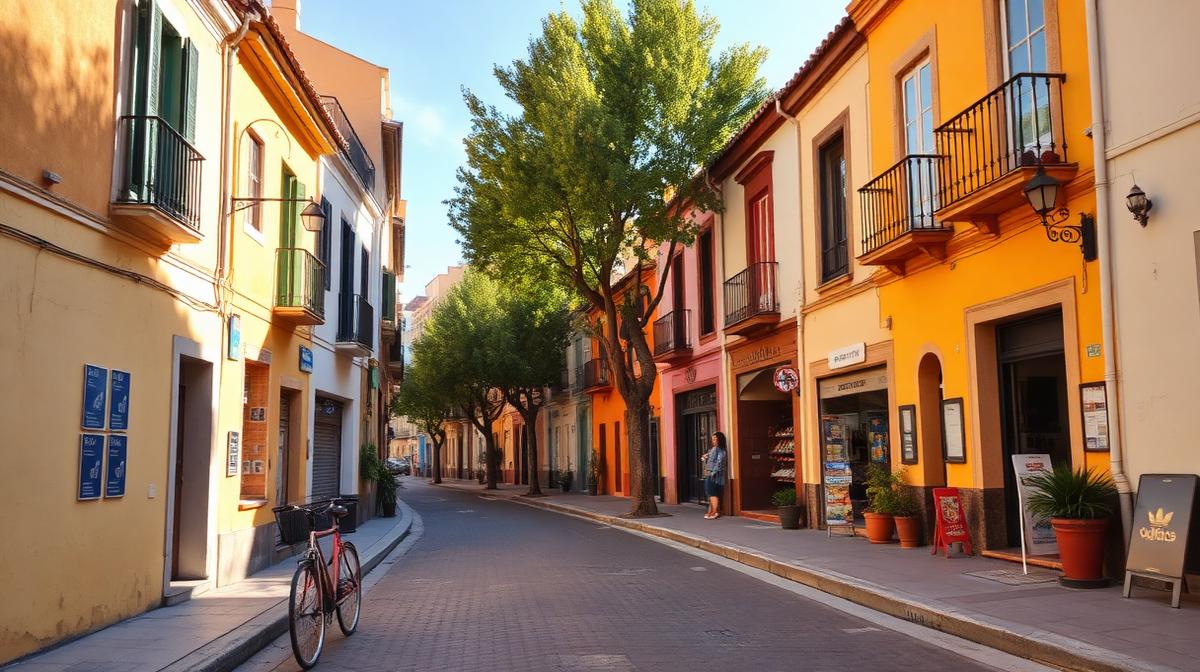
If Ruzafa is the trendy neighborhood, Benimaclet is the neighborhood that Valencians recommend to those seeking real quality of life. This former independent village, annexed to Valencia in 1882, retains narrow streets with low-rise houses, squares where neighbors greet each other by name, and an alternative, community-oriented atmosphere that attracts students, academics, and young families.
With an average price of €13.6/m², Benimaclet is the most affordable of the seven neighborhoods analyzed here, and its 3% year-on-year increase is the most moderate in all of Valencia. A room in a shared apartment costs between €250 and €400, a one-bedroom apartment between €750 and €1,100, and a two-bedroom apartment between €1,000 and €1,400. Availability is competitive but significantly better than in central areas, with regular renewal of offerings in summer and September as students rotate.
Transportation is one of Benimaclet's major strengths. Benimaclet station is an important interchange where metro lines 3, 6, and 9 converge, in addition to tram line 4, which connects directly to the Polytechnic University and the beach. Reaching the city center by metro takes about ten minutes. There are Mercadona and Consum stores in the area, as well as a weekly market on Fridays. Viveros Gardens is a fifteen-minute walk away.
What you gain in Benimaclet is authenticity and community: it is one of the safest neighborhoods in Valencia, with pleasant but non-invasive nightlife, charming cafes, and a genuine alternative spirit. What you lose is walking proximity to the center (25-30 minutes walk) and the gastronomic and nightlife sophistication of Ruzafa. It is ideal for students, families, expats looking for a real Spanish immersion, and anyone who values tranquility without sacrificing good transport links.
El Carmen: Living within History Comes with a Price
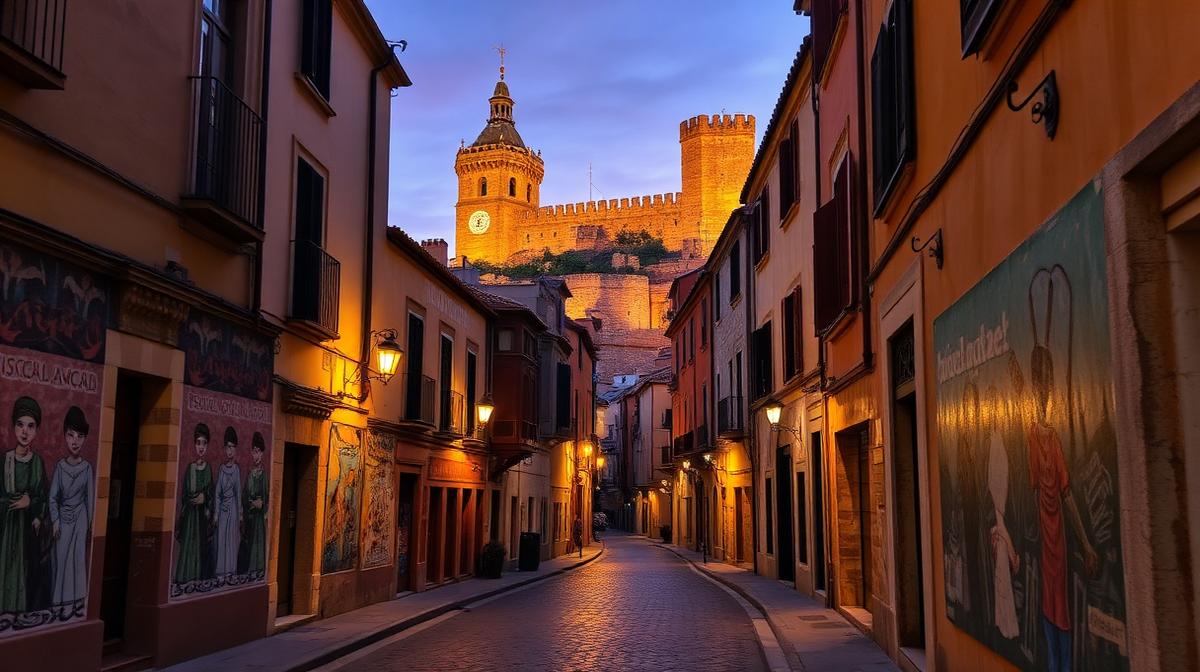
El Carmen, the heart of the old town within the Ciutat Vella district, is Valencia in its purest form: medieval streets covered in urban art, the Torres de Serranos and de Quart as neighbors, the Central Market just a step away, and the city's most concentrated cultural life. It is also where tourism exerts the greatest pressure on the residential market.
Prices here are the second highest in Valencia: €20/m² on average, with year-on-year increases of 6.4%. A shared room ranges from €400 to €650, a one-bedroom apartment from €900 to €1,500, and a two-bedroom apartment from €1,500 to €2,000 or more. A revealing fact: up to 66% of property purchases in Ciutat Vella involve international buyers, which gives an idea of the international demand pressure. Residential rental supply is extremely scarce, exacerbated by the conversion of housing to tourist use.
For transportation, El Carmen is surrounded by metro stations: Àngel Guimerà (lines 1, 2, 3, 5, 9), Túria (lines 1, 2), Colón, Xàtiva, and Alameda, all accessible within a few minutes' walk. You don't need transport because the neighborhood is the center itself. Large supermarkets are scarce due to the narrow medieval streets, but you'll find Consum and small shops; the Central Market more than makes up for it with fresh produce.
The advantages are the unparalleled location, constant cultural richness, and absolute walkability. The disadvantages are significant: very high night noise (especially Thursday to Saturday), small apartments with little light on lower floors due to narrow streets, and the extreme difficulty of finding long-term rentals. It is perfect for singles or couples who want to live an intense cultural experience in the medium term. It is not recommended for families or those seeking tranquility.
Eixample: Bourgeois Elegance Next to the Turia
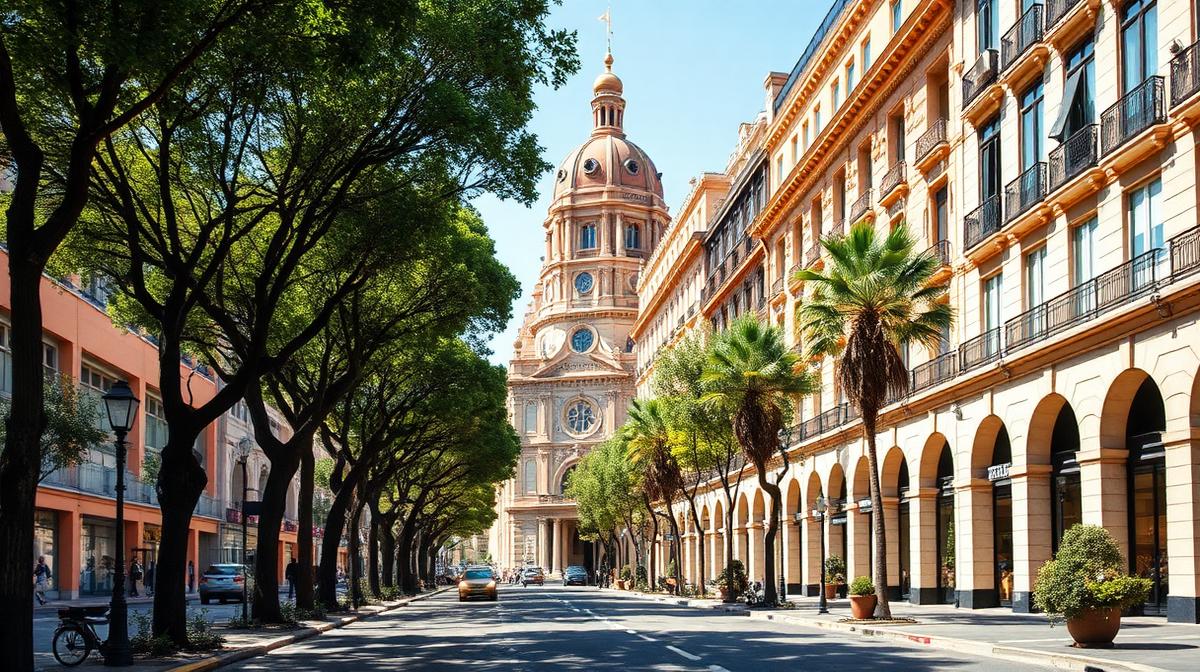
L'Eixample (or Ensanche) is the most expensive district in Valencia as a whole, with sub-neighborhoods like Pla del Remei and Gran Vía representing the most exclusive parts of the city. Wide avenues with early 20th-century modernist architecture, Calle Colón as the main shopping thoroughfare, the Colón Market converted into a premium gastronomic space, and direct access to the Turia Gardens define this district.
The average price for the district is €17.9/m² with a 5.3% year-on-year increase, although the most exclusive areas like Pla del Remei easily exceed €20/m². A shared room costs between €400 and €550, a one-bedroom apartment between €1,000 and €1,600, and a two-bedroom apartment between €1,500 and €2,200. Apartments here tend to be spacious (many exceed 100 m²), which drives up the total monthly price. Availability is as scarce as in Ruzafa, with periods when there were barely three apartments for rent in the entire district.
Colón metro station is the second busiest in Valencia and serves lines 3, 5, 7, and 9. Xàtiva and Alameda are also nearby. The Estación del Norte (North Station) is between a five and ten-minute walk from Pla del Remei. Mercadona and Consum have a strong presence, and the commercial offerings include El Corte Inglés and the city's best stores.
It is the safest neighborhood in Valencia along with Campanar, with a very quiet atmosphere in Pla del Remei and moderate in the Cánovas area (which has its own nightlife). It is ideal for established professionals with a good budget, families who value security and elegance, and retired expats. Some describe it as "the Salamanca of Valencia," with all the good and limiting aspects that implies: it can feel a bit formal compared to the spontaneity of Ruzafa or Benimaclet.
Campanar: Family Tranquility with Bioparc Access
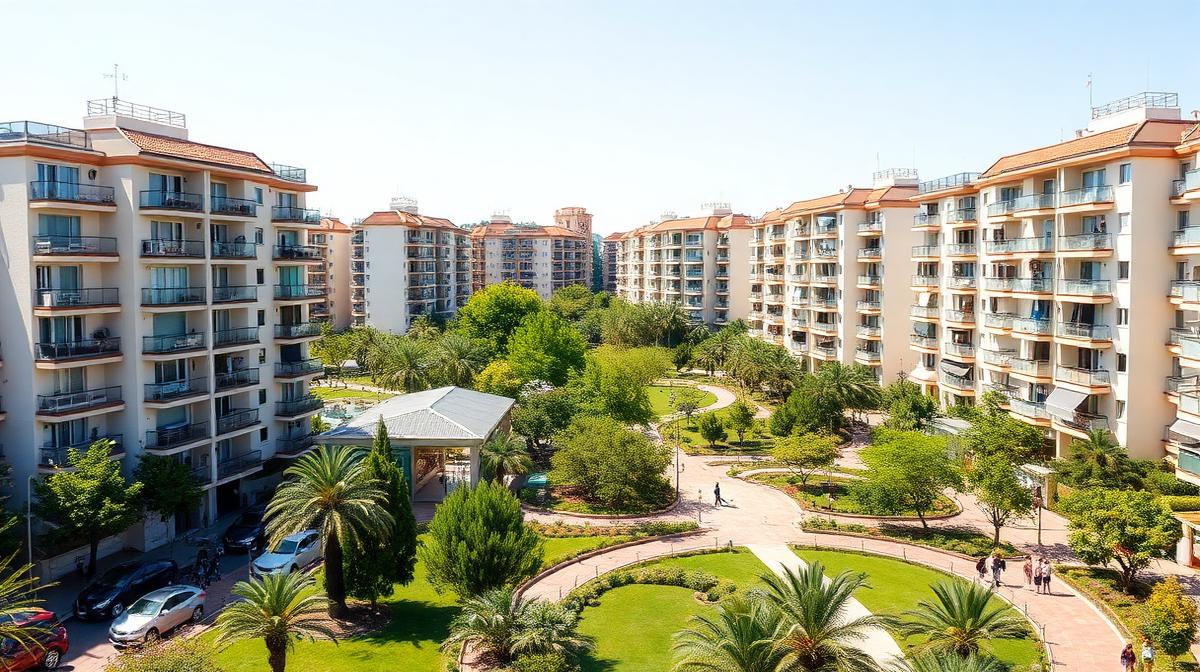
Campanar is another old village absorbed by the city that has maintained its identity: a historic core of low-rise, colorful houses around a square with a church, surrounded by modern residential complexes with pools, tennis courts, and garages. It is the preferred neighborhood for Spanish families, and increasingly for international families who discover its unique balance.
With a price of €16/m² and a 6.4% year-on-year increase, Campanar is in a medium-high range. Shared rooms go from €350 to €480, one-bedroom apartments from €850 to €1,300, and two-bedroom apartments from €1,200 to €1,700. The district's average (€1,919 according to the UPV Chair) is high because apartments tend to be large and modern. Availability is competitive but better than in the ultra-central areas.
The metro stations of Campanar, Empalme, and Beniferri (lines 1 and 2) connect to the center in about fifteen minutes. A very relevant practical detail: Valencia's bus station is next to the district, facilitating intercity travel. There are Mercadona and Consum, as well as the Nuevo Centro shopping center with a wide range of shops and services.
What makes Campanar exceptional are its green spaces: Cabecera Park (ideal for running, walking, and picnicking), Bioparc (one of Europe's most innovative zoos), and direct access to the Turia Gardens are literally on your doorstep. It is one of the safest and quietest neighborhoods in Valencia. The main disadvantage is that it is not within walking distance of the center (20-25 minutes) and the gastronomic and international scene is limited. It is perfect for families with children, professionals who work remotely, retirees, and nature lovers.
Poblats Marítims: The Beach Five Minutes Away, But at a Growing Price
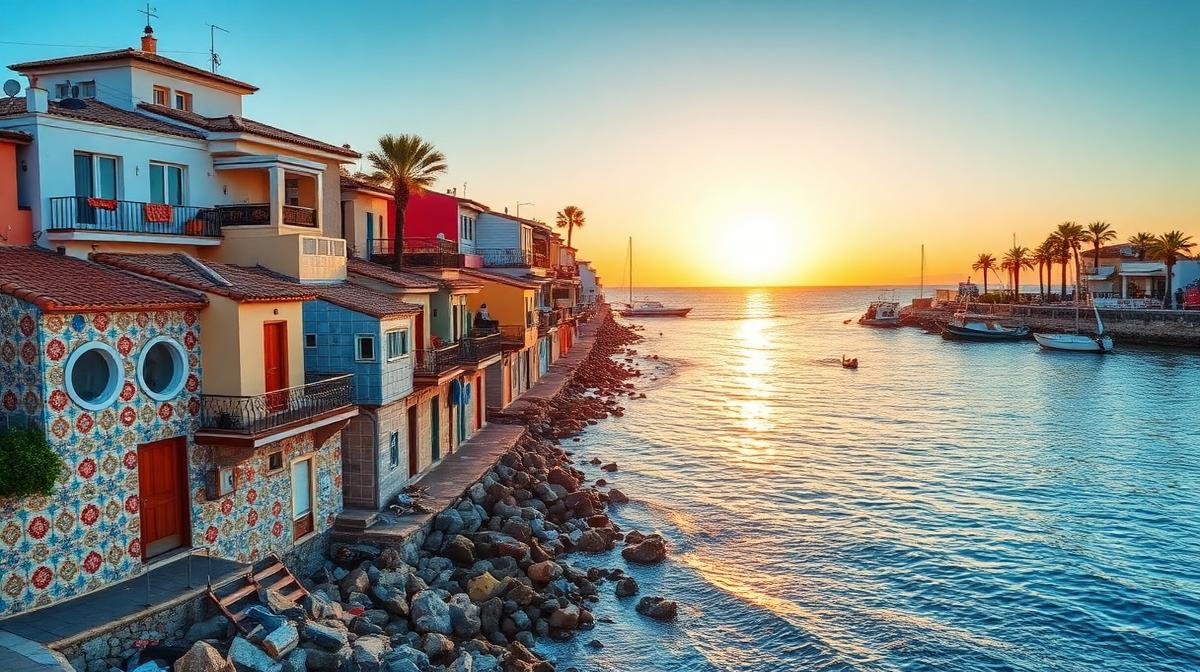
Cabanyal and Malvarrosa, within the Poblats Marítims district, represent the most dramatic transformation in Valencia's real estate market. This former fishing village with colorful tiled houses and streets with laundry hanging out has experienced rapid gentrification that has driven rents up by 15% year-on-year, the sharpest increase in the entire city.
The average price is around €15-16/m², with rooms between €300 and €480, one-bedroom apartments between €750 and €1,200, and two-bedroom apartments between €1,100 and €1,600. Many listings are temporary or seasonal rentals with inflated prices, so long-term contracts can be 10-20% cheaper than what appears on portals. Supply is competitive, with high demand from digital nomads and expats attracted by the beach lifestyle.
The tram network is the axis of transport here: Line 4 runs through the neighborhood with stops like Dr. Lluch, Les Arenes, and Eugenia Viñes, and Marítim-Serrería station (lines 5, 6, 7, 8) is an important interchange. Reaching the center takes between 15 and 20 minutes by public transport. There are Mercadona and Consum, in addition to the Cabanyal Market, famous for its fresh fish.
The great advantage is obvious: the Mediterranean beach five minutes from home, with the Paseo Marítimo for running or walking and authentic rice and paella restaurants. The creative and expat community is growing rapidly, with coworking spaces popping up throughout the neighborhood. Disadvantages include the distance to the center (30+ minutes on foot), security issues on some streets that are still in transition, and a very seasonal character: in winter, many businesses close and the atmosphere becomes deserted. It is ideal for beach lovers, digital nomads, and creatives. It is not recommended for those who need constant urban life all year round.
Extramurs and Arrancapins: Valencia's Best-Kept Secret
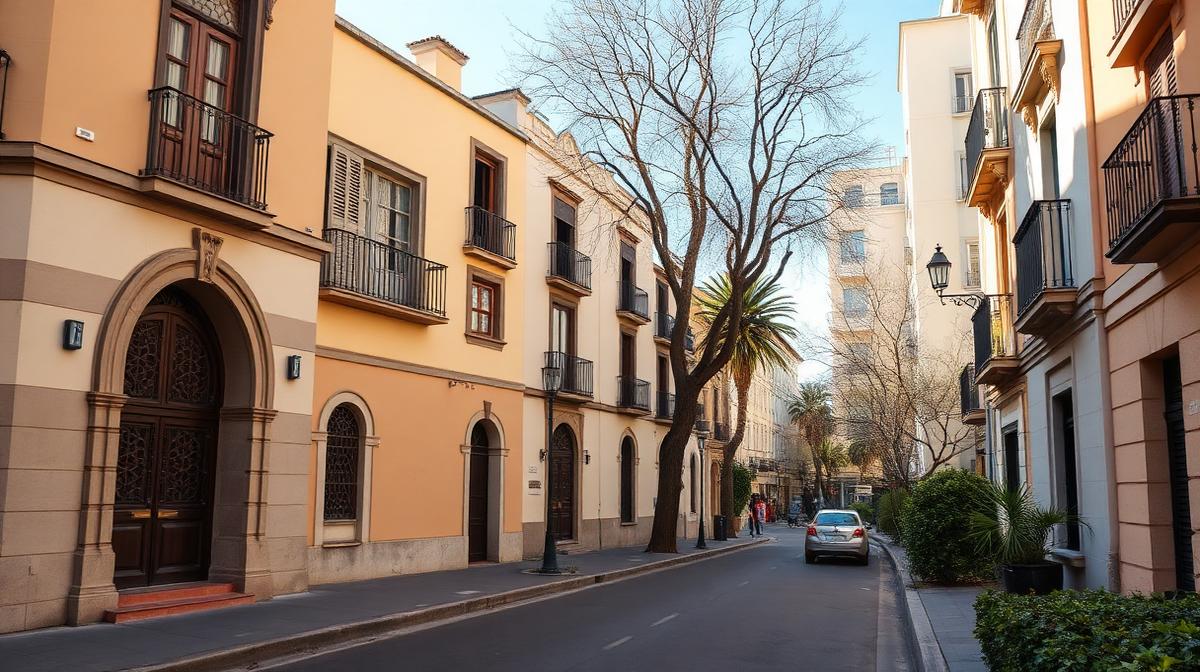
If there's one neighborhood that long-term residents recommend but rarely appears in expat guides, it's Extramurs, specifically its Arrancapins area. This district offers something hard to find in Valencia today: real centrality at reasonable prices, with a genuinely Spanish character that hasn't been transformed by tourism.
Prices are around €15-16/m², with rooms between €350 and €480, one-bedroom apartments between €800 and €1,250, and two-bedroom apartments between €1,100 and €1,500. After an aggressive 18.8% increase in 2024, prices have stabilized. Availability is competitive but better than in Ciutat Vella or L'Eixample.
The jewel of transportation in Extramurs is Àngel Guimerà station, one of Valencia's best-connected with five metro lines (1, 2, 3, 5, 9). The Estación del Norte (North Station) is between a five and ten-minute walk from La Roqueta, and Plaza del Ayuntamiento is between ten and fifteen minutes on foot. Mercadona and Consum are well distributed, and the Central Market is a ten-minute walk away.
What distinguishes Extramurs is its discreet but powerful cultural offerings: the Valencia Botanical Garden, the IVAM contemporary art museum, the MUVIM, and direct access to the Turia. It is one of the safest neighborhoods in Valencia, with two police stations in the area. The atmosphere is that of an authentic Spanish neighborhood: lifelong residents, traditional tapas bars, and little noise. The disadvantage is that the international community is small, which can feel isolating for those who don't speak Spanish, and the gastronomic and leisure offerings are modest compared to Ruzafa. It is perfect for those seeking real linguistic and cultural immersion, professionals who travel frequently (due to proximity to stations), and families who want centrality without paying premium area prices.
Comparative Table: The Seven Neighborhoods at a Glance
| Neighborhood | €/m² | Room | 1 Bedroom | 2 Bedrooms | Walk to Center | Noise | Safety |
|---|---|---|---|---|---|---|---|
| Ruzafa | 18-21 | €400-600 | €900-1,500 | €1,400-1,900 | 10 min | High | Good |
| Benimaclet | 13.6 | €250-400 | €750-1,100 | €1,000-1,400 | 25-30 min | Low | Very good |
| El Carmen | 20 | €400-650 | €900-1,500 | €1,500-2,000 | 0 min | Very high | Good |
| Eixample | 17.9 | €400-550 | €1,000-1,600 | €1,500-2,200 | 5-10 min | Moderate | Very good |
| Campanar | 16 | €350-480 | €850-1,300 | €1,200-1,700 | 20-25 min | Very low | Very good |
| Poblats Marítims | 15-16 | €300-480 | €750-1,200 | €1,100-1,600 | 30-40 min | Seasonal | Improving |
| Extramurs | 15-16 | €350-480 | €800-1,250 | €1,100-1,500 | 10-15 min | Low | Very good |
How to Find an Apartment Without Falling for Scams
The scarcity of supply in Valencia has made apartment hunting a process that requires strategy and caution. Idealista is the dominant platform, with the largest inventory of long-term rentals. Fotocasa serves as a useful complement. Milanuncios allows you to find direct owner offers without agency commission, but with a higher risk of fraud. For stays of one to eleven months, Globexs and HousingAnywhere specialize in expats with furnished apartments. Facebook groups like "Expats in Valencia" are a common source but represent the highest risk of scams.
Red flags to watch out for include: any ad with a price significantly below market value (if it seems too good to be true, it probably is); requests for advance payment before viewing the apartment or signing a contract; landlords who say they are "abroad" and want to manage everything via bank transfer; and emails that pretend to be from Idealista but use suspicious domains. Never pay a deposit or bond before seeing the apartment in person and signing the contract. Always verify the property by requesting the "nota simple" (property registry extract) from the Land Registry.
As for documents, to rent you will need a passport, NIE (Foreigner Identification Number), proof of income (employment contract, payslips, or self-employment declarations), recent bank statements, and ideally, a Spanish bank account. If you don't have a Spanish guarantor, some landlords accept an extra deposit of one or two additional months or a rent default insurance policy.
The legal deposit (fianza) is one month's rent for a primary residence. Under the Housing Law, additional guarantees cannot exceed two months' rent in stressed areas, and agency fees must be paid by the landlord, not the tenant. In practice, the total upfront cost is usually 2.5 to 3.5 months' rent, covering the deposit, first month, and potential guarantees. For an apartment of €900 per month, this means between €2,250 and €3,150 just to move in.
If you need assistance with your home search in Valencia, at Raíces Valencia we offer an apartment search service and also room search assistance for newcomers. We handle filtering options, coordinating viewings, and negotiating conditions.
What's Next: Market Trends for 2026 and Beyond
Experts project rental increases of approximately 7% additional in 2026, driven by a structural supply deficit that will not be resolved in the short term. Spain creates about 200,000 new households per year but builds only between 80,000 and 100,000 homes, and Valencia reflects this dynamic on a local scale.
Areas with the greatest revaluation potential are Cabanyal (due to urban regeneration), Quatre Carreres (due to proximity to the City of Arts), and Benimaclet (due to university demand pressure and its relative affordability). The effects of the DANA storm in October 2024, although devastating in municipalities south of the province, have also driven up prices in the city: demand for housing in non-floodable areas increased by 22-27%, and prices in affected areas rose by 18%.
The potential formal declaration of Valencia as a stressed area could bring real price limitations for large property owners, but the effect on individual owners will be limited. The restriction on tourist apartments continues, with licenses now limited to five years and ongoing moratoriums. In the long term, this should return some supply to the residential market, but the transformation will be gradual.
For those looking for an apartment today, the reality is clear: you need to move quickly, have your documents prepared, and be flexible with the neighborhood if your budget is tight.
Do you need guidance on immigration procedures or help with empadronamiento? Our consulting team will guide you step-by-step. You can also consult our comprehensive guide on the cost of living in Valencia to plan your budget.
---
Are you planning your move to Valencia and don't know where to start? Contact us and we'll help you find the perfect neighborhood, search for housing, and handle all the necessary procedures to make your arrival as smooth as possible.