9 d'Octubre in Valencia: Valencian Community Day and the Mocadorà, Valencia's Valentine's Day
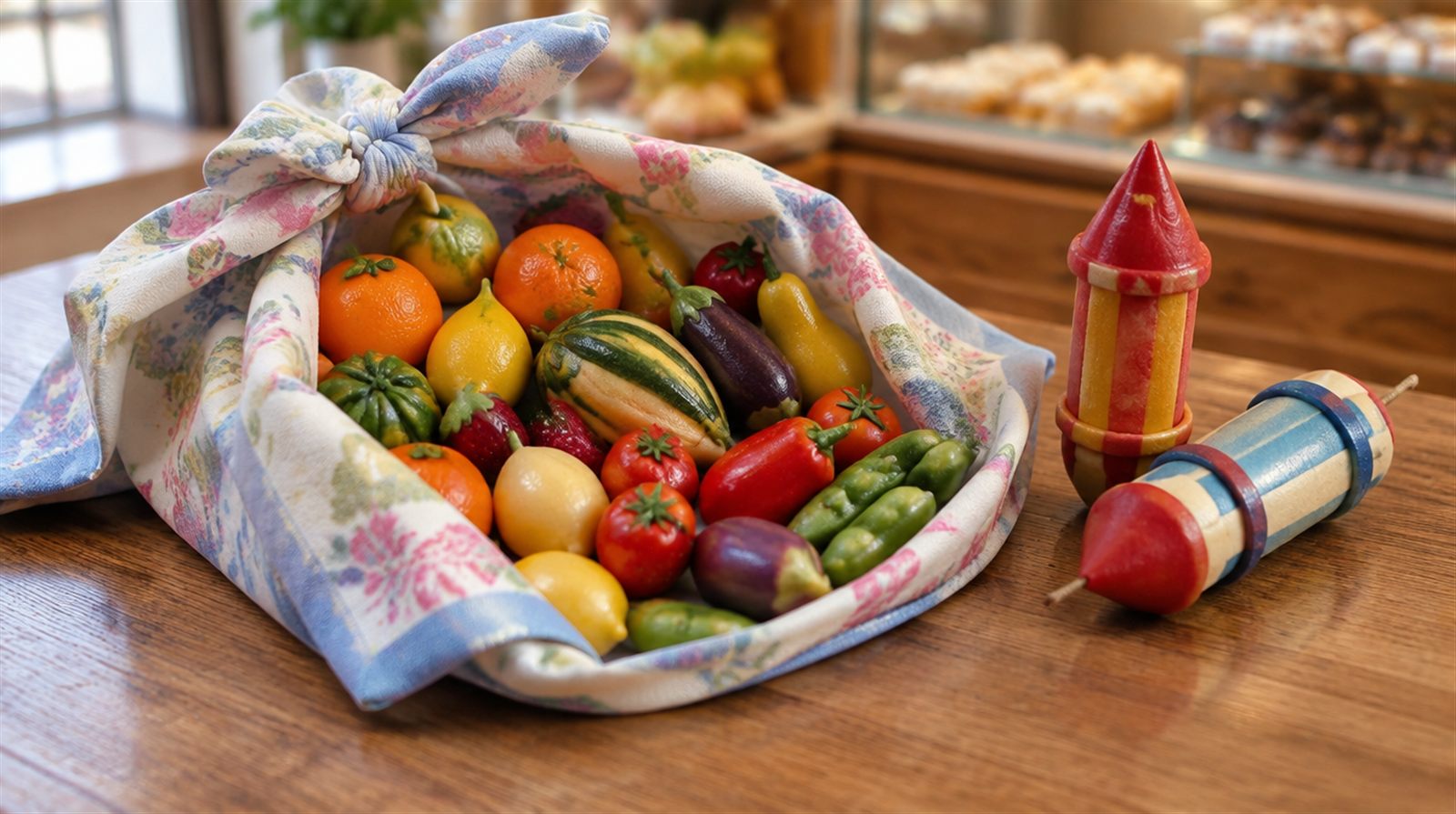
On 9 October, 9 d'Octubre in Valencian, Valencia celebrates its biggest day of the year. Two things happen at once: Valencian Community Day, which marks King James I's entry into the city on 9 October 1238, and Sant Donís (Saint Denis), Valencia's own Valentine's Day, when couples exchange the Mocadorà, a silk handkerchief wrapped around fruits and vegetables made of marzipan. It is a public holiday across the whole Valencian region.
If you have just moved to Valencia, or are about to, this is one of the days that best explains the city. Here is what is celebrated, what to see and where the sweetest tradition in the Valencian calendar comes from.
What is celebrated on 9 October in Valencia
On 9 October 1238, King James I the Conqueror (Jaume I in Valencian) entered Valencia. That event gave birth to the Kingdom of Valencia and its institutions, which is why Valencia City Council treats the date as the birth of the Valencian people. Today it is Valencian Community Day, the holiday of the whole region.
It is an official public holiday. In 2026, 9 October falls on a Friday and 12 October (Spain's National Day) on a Monday, so there is a four-day weekend.
The Real Senyera and the civic procession
The central event of the day is the civic procession of the Real Senyera, the city's historic flag, listed as a Site of Cultural Interest since 2016.
- Around the holiday, the Real Senyera is displayed to the public in the Salón de Cristal of the City Hall.
- At midday on the 9th, the flag is lowered from the City Hall balcony. By tradition it comes down vertically, never bowing to anyone.
- The procession crosses the historic centre, stopping at the Cathedral, and ends at the Parterre with a floral offering before the equestrian statue of James I.
- Back at the City Hall, the event closes with a mascletà, a daytime firework display of pure noise and rhythm, in the square.
What to see in Valencia on 9 d'Octubre
Around the date, these events usually take place:
- A fireworks display in the Turia gardens on the night before.
- Traditional music and dancing in the City Hall square, including the popular dansà.
- The Moors and Christians parade, which re-enacts the conquest, on the afternoon of the 9th through the city centre.
- Open days at historic buildings and medieval-themed activities around the city.
Times change every year, so check the official programme on Valencia City Council's agenda before you go.
What is the Mocadorà of Sant Donís
9 October is also Sant Donís, considered Valencia's day of lovers. The tradition is to give your partner the Mocadorà (pronounced mocaorà): a knotted silk handkerchief wrapped around small marzipan figures shaped like the fruits and vegetables of the Valencian orchard.
Alongside them come the piuleta and the tronador, two larger marzipan sweets shaped like rockets. In the days before, the windows of the city's pastry shops fill up with these little works of art.
Why sweets shaped like rockets: the story
The tradition goes back to the 1238 conquest. In the mid-15th century it became popular to celebrate the king's entry into the city by firing piuletes and tronadors, two kinds of rockets. In the 18th century, after the War of the Spanish Succession, Philip V abolished Valencia's historic charters and the feast of Sant Donís, and also banned firecrackers and rockets.
The confectioners' guild found a way around the ban: they recreated the piuleta and the tronador in marzipan. Small fruits and vegetables made of almond paste and sugar were added, recalling, according to tradition, the produce that the people of the orchard gave to James I's wife as a sign of the land's fertility. Ever since, couples have given each other a handkerchief of these sweets to celebrate Sant Donís, a Valentine's Day with a Valencian flavour.
Every year the Valencia Guild of Bakers and Confectioners holds a Sant Donís competition with prizes for the best shop window and the best mocadorà in the city.
How to give a Mocadorà
- Where to buy it: at Valencia's traditional pastry shops, which prepare them in the days before 9 October.
- What is inside: a silk handkerchief and a selection of marzipan fruits and vegetables; many also include the piuleta and the tronador.
- Who it is for: your partner. It is the gift of Valencian lovers.
- Tip: order it a few days ahead. On the eve, pastry shops are very busy.
What 9 d'Octubre means if you live in Valencia or are moving here
- It is a public holiday: public offices close, including immigration offices and the City Hall. If you have your residence card (TIE), padrón or bank appointments pending, plan them before or after the long weekend.
- The centre gets crowded: between the procession, the mascletà and the Moors and Christians parade, the historic centre is packed and some streets are closed for much of the day.
- It is a great way into Valencian culture: together with Las Fallas, it is the celebration that best explains the city's identity, and a Mocadorà is a gesture locals appreciate.
If you are moving to Valencia, our relocation services in Valencia take care of the hardest parts of the first weeks: our apartment search service finds and secures your home (one month's rent, paid only when you get the keys), and our immigration consultancy handles the residence card, padrón and bank appointments with you. To plan the month, see also what the weather in Valencia in autumn is like, whether you need Spanish to live in Valencia and what Las Fallas is, the city's other great festival.
Sources
- Valencia City Council: 9 October festivities
- Visit València: 9 October, Valencian Community Day
- Visit València Gastronomy: the mocadorà of Sant Donís
- DOGV: Decree 100/2025, 2026 Valencian public holiday calendar
Frequently asked questions
What is celebrated on 9 October in Valencia?
9 October is Valencian Community Day. It marks King James I's entry into Valencia on 9 October 1238, which gave birth to the Kingdom of Valencia. On the same day Valencia celebrates Sant Donís, its own Valentine's Day, when couples exchange the Mocadorà, a handkerchief full of marzipan sweets.
What is the Mocadorà?
The Mocadorà is the traditional gift for Sant Donís on 9 October: a knotted silk handkerchief wrapped around small marzipan fruits and vegetables inspired by the Valencian orchard. It usually comes with the piuleta and the tronador, two rocket-shaped marzipan sweets. It is pronounced mocaorà.
What are the piuleta and the tronador?
They are two marzipan sweets shaped like rockets. They recall the firecrackers used to celebrate James I's entry into Valencia, which Philip V banned in the 18th century along with the feast of Sant Donís. The confectioners' guild recreated them in marzipan to get around the ban.
Is 9 October a public holiday in Valencia?
Yes. 9 October is a paid public holiday across the whole Valencian region. In 2026 it falls on a Friday and 12 October, Spain's National Day, on a Monday, making a four-day weekend. Public offices close, so plan any paperwork before or after the holiday.
What happens with the Real Senyera on 9 October?
At midday the Real Senyera is lowered vertically from the City Hall balcony, never bowing to anyone, and leads a civic procession through the centre that ends at the Parterre with a floral offering to James I. Back at the City Hall, a mascletà is fired. The procession has been a Site of Cultural Interest since 2016.
Where can I buy a Mocadorà in Valencia?
At the city's traditional pastry shops, which prepare them in the days before 9 October and decorate their windows for the occasion. It is best to order one a few days in advance, because demand is very high on the eve. Many also include the piuleta and the tronador.